Clinical Informatics Fellowship
This two-year program is open to board-eligible graduates of ACGME–accredited residency programs in any primary specialty (anesthesiology, emergency medicine, family medicine, internal medicine, medical genetics and genomics, pathology, pediatrics, preventive medicine or radiology). We train fellows for various careers in clinical informatics, all critical to the transformative era medicine is undergoing. We offer preparation for the board examination (administered by the American Board of Pathology for pathologists and by the American Board of Preventive Medicine for all other specialists).
Clinical informatics is the medical subspecialty that coordinates healthcare providers' use of existing and innovative health information systems across all branches of medicine and plays a vital role in teams that plan, implement and maintain these systems. Our fellows will be ready for careers in roles ranging from clinical care and academic positions to administrative roles and the private sector.
Fellowship Opportunities
All positions have been filled for the 2026–28 academic year. The next application cycle will open in 2027 for the 2028–30 academic year.
About the Fellowship
Curriculum
Our program covers all aspects of the ACGME Clinical Informatics curriculum with a combination of rotations, projects and didactics. Fellows will have opportunities to engage with a wide variety of expertise and experiences across Northwestern University, including operational, academic, research and quality improvement opportunities at our clinical affiliates — Ann & Robert H. Lurie Children's Hospital of Chicago, Northwestern Medicine and the Shirley Ryan AbilityLab. Across these locations and organizations, fellows will observe how health systems across Northwestern leverage and address common issues in electronic health record operations, burnout, clinical decision support, governance, data analytics and research, interoperability and physician leadership.
Didactics
The curriculum offers didactics in master's-level courses in health informatics or health data analytics. The Northwestern University School for Professional Studies provides coursework designed to supplement and address potential gaps in the fellowship's practical rotations and projects. Flexibility in courses is aligned with the courses available within the master's programs for health informatics, information design and strategy or health analytics.
Rotations
The Clinical Informatics (CI) Fellowship rotations are designed to immerse fellows within a designated functional unit, offering opportunities for hands-on learning, collaboration and project engagement. Each rotation is led by a designated lead faculty member who oversees the fellow's activities, ensures alignment with rotation goals and objectives and facilitates integration into daily and weekly work efforts, meetings, coordination and projects within the functional unit. Rotations include experiences in clinical informaticist roles in hospital operations, clinical bioinformatics, research informatics, data analytics and data science, laboratory information systems and medical imaging.
Clinical Informatics Learning Roundtable
The bimonthly Clinical Informatics Learning Roundtable is jointly run by the CI fellows and the Institute for Artificial Intelligence in Medicine and serves as a consistent platform for CI faculty to share their diverse expertise, experiences and insights from various healthcare systems, research labs, and clinical and quality governance structures, ultimately enriching the learning experience for individuals in the field of clinical informatics. CI fellows are expected to present regularly at this forum along with additional informatics learners and speakers from health IT and clinician informaticists from Northwestern Medicine, Lurie Children's and graduate programs.
CI fellows are expected to train in electronic health record design and build. Training is provided through an Epic (Northwestern Medicine and Lurie Children's Hospital's electronic health record vendor) training module, typically scheduled in the fall alongside an Epic physician training module.
Clinical Experience
In addition to extensive involvement in all aspects of informatics across different types of hospital operations, fellows will continue practicing in their primary specialty. ACGME requires fellows to maintain clinical practice in their area of specialty. We will arrange arrangements with an appropriate clinical department, typically within either Northwestern Medicine or Lurie Children's Hospital.
Eligibility & Requirements
Candidates must be board-eligible or certified in anesthesiology, emergency medicine, family medicine, internal medicine, medical genetics and genomics, pathology, pediatrics, preventive medicine or radiology and be able to obtain an unrestricted permanent Illinois medical license.
How to Apply
The program has one fellowship position for a two-year fellowship.
Applications should be submitted through the Electronic Residency Application Service portal, MyERAS. We will start accepting applications for the 2028-30 academic year in 2027.
Please include:
- Current CV
- Personal Statement
- Three letters of recommendation
Stipend
The stipend is commensurate with the fellow's Postgraduate Year (PGY) of training. Find stipend information via the McGaw Medical Center of Northwestern University site.
Why Northwestern?
Housestaff training through the McGaw Medical Center of Northwestern University provides diverse and challenging clinical experiences and world-class education located in the heart of the beautiful city of Chicago.
Watch a video to learn more about the fellowship experience at Northwestern:
Contact Us
We encourage you to contact Susan Lee at clinicalinformatics@northwestern.edu.
All questions will be promptly answered by the program director.

Program Director
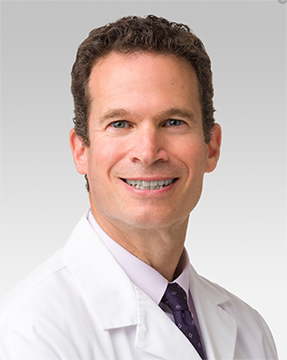
Allan D. Wu, MD, is a professor of Neurology (Movement Disorders and Hospital Neurology) at Northwestern University Feinberg School of Medicine and practices at Northwestern Medicine, specializing in movement disorders.
Wu completed a movement disorders fellowship at the University of Southern California in 2001 and served on the faculty at the University of California, Los Angeles from 2005 to 2020.
Over the past decade, Wu has worked as a physician informaticist on electronic health record projects to improve patient engagement, reduce physician burnout, enhance efficiency and raise awareness of informatics as a specialty.
Wu is active in the California Parkinson's Disease Registry and the American Academy of Neurology. At Northwestern, Wu serves as director of Applied Clinical Informatics at the Stanley Manne Children's Research Institute, where he works to advance learning healthcare systems in which patient care generates real-time information that guides shared decision-making and drives improvements in care delivery.
Associate Program Director
David Liebovitz, MD, is associate professor of Medicine (General Internal Medicine) and Preventive Medicine (Biostatistics and Informatics) at Northwestern University Feinberg School of Medicine. He previously served as chief medical information officer at Northwestern Medicine and as Fellow of the American Medical Informatics Association. Liebovitz also previously established the Clinical Informatics Fellowship Program at the University of Chicago. His educational activities include teaching master's-level courses at Northwestern and the University of Chicago. He has authored numerous publications in the field of clinical informatics.